
So You Took Your First Surf Lesson... Now What?
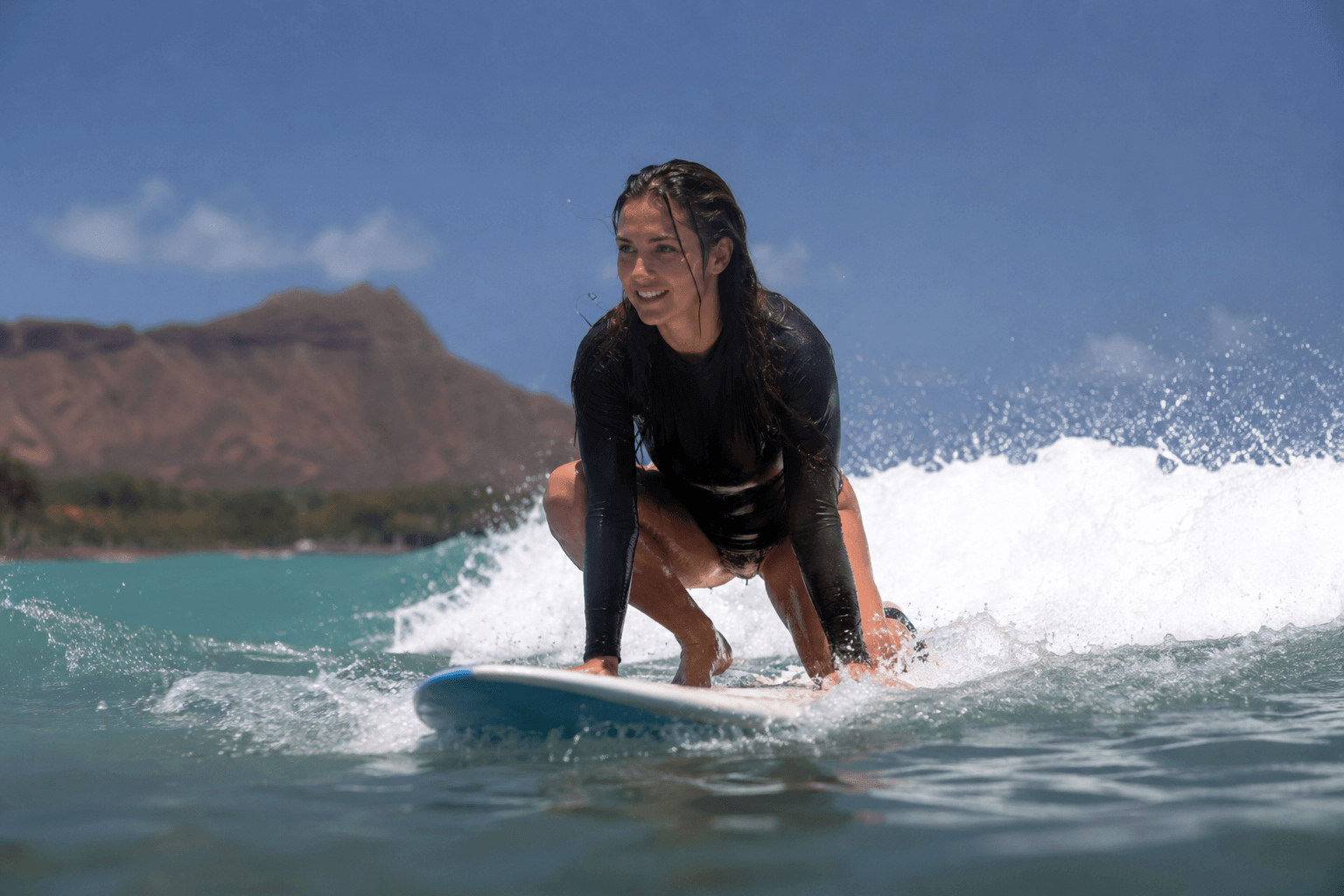
You caught your first wave.
Maybe it was only for a few seconds. Maybe your instructor gave you a push. Maybe you spent more time falling than standing.
None of that matters.
Something clicked.
Now you can't stop thinking about surfing.
Welcome to the beginning of a long, frustrating, rewarding, and unforgettable journey.
The truth is, becoming a surfer doesn't happen in a weekend. It takes years. You'll paddle until your shoulders ache, wipe out more times than you can count, and wonder if you'll ever make it past the whitewater.
The good news? Every surfer you admire started exactly where you are.
Here are a few things I wish every beginner knew before buying a board and paddling out on their own.
1. Find Someone to Learn With
Surfing is a lot more fun when you're not doing it alone.
Find a friend who wants to learn with you. You'll motivate each other to wake up early, laugh at the wipeouts, celebrate the little victories, and keep showing up when progress feels slow.
Some days you'll catch more waves than your friend.
Other days they'll surf better than you.
It doesn't matter.
Just keep going together.
Years from now, you'll probably remember the laughs and the early morning sessions together just as much as the waves.
2. Don't Buy a Brand-New Surfboard
This surprises a lot of people.
Your first board should probably be ugly.
Look on Facebook Marketplace, garage sales, thrift stores, used surf shops, or ask around. Buy something that's already been repaired a few times and has a few dents.
Why?
Because you're going to hit it on the sand.
You're going to run it into rocks.
You're going to drop it in the parking lot.
You're going to accidentally ding it.
That's part of learning.
Save your money for later. Once you know what kind of surfing you enjoy and you've developed some basic skills, then buy the board you've been dreaming about.
3. Surf Beginner-Friendly Breaks
Don't paddle out where the experienced surfers are.
There's no shortcut.
Spend your time at beginner beaches where people expect to see learners.
Practice the basics until they become automatic.
Can you paddle comfortably?
Can you get through the whitewater?
Can you consistently stand up?
Can you angle your board?
Can you turn?
Can you stay out of everyone's way?
Master those skills before moving to more advanced breaks.
Before heading out, spend some time researching beginner surf spots in your area. The right wave can make learning enjoyable. The wrong wave can make it frustrating and even dangerous.
4. Use YouTube as a Learning Tool
One of the best resources available to new surfers is completely free.
YouTube is filled with experienced surfers and coaches who explain everything from paddling technique and popping up to reading waves and understanding surf etiquette. Watching a few videos before or after a surf session can help you understand what went right, what went wrong, and what to work on next time.
That said, don't rely on just one channel.
Surfing is full of different styles and opinions. Watch several instructors, compare what they're teaching, and see what works for you. No single surfer has all the answers.
Most importantly, remember that YouTube doesn't replace time in the water.
Use videos to learn. Use the ocean to improve.
The combination of both is one of the fastest ways to progress.
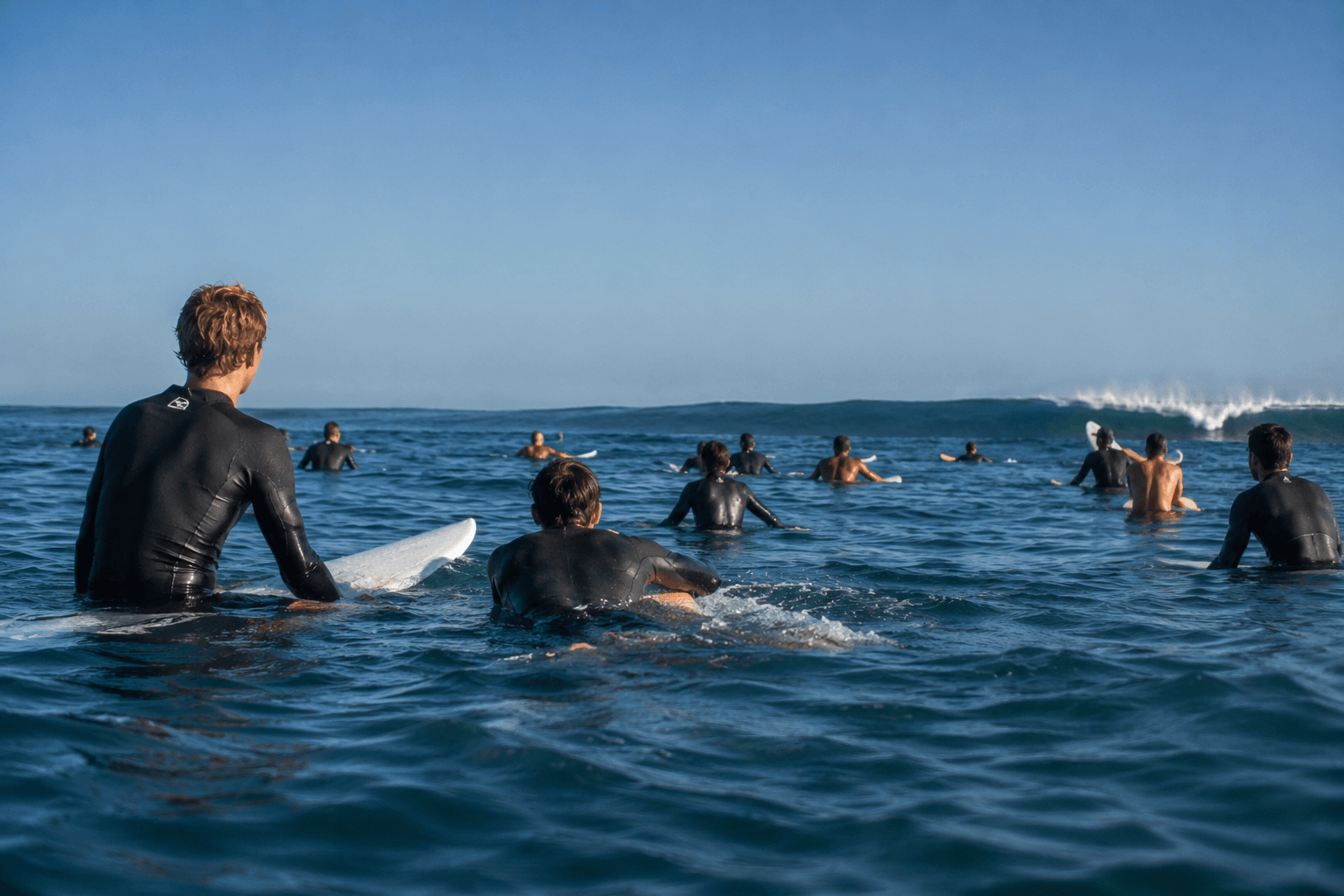
5. Learn Surf Etiquette Before You Need It
This might be the most important advice in this entire article.
You don't have to be the best surfer in the lineup.
You do have to be respectful.
Before you paddle out, spend some time learning basic surf etiquette.
The biggest rule is simple:
Don't drop in on someone who is already riding the wave.
If another surfer has priority, let them have the wave.
Always look both directions before standing up. Make sure you aren't about to ride straight into another surfer.
Don't paddle through the middle of someone riding a wave if you can avoid it.
If you make a mistake—and every beginner does—a simple apology goes a long way.
Respect the ocean, and respect the people sharing it with you.
6. Don't Compare Yourself to Anyone
Social media makes surfing look easy.
It isn't.
The videos you see are usually the result of years—sometimes decades—of practice.
Your goal isn't to surf like someone who's been doing it for twenty years.
Your goal is to surf a little better than you did last week.
Celebrate the small victories.
Your first clean pop-up.
Your first wave that isn't whitewater.
Your first real turn.
Your first wave that feels effortless.
Those moments are what keep surfers coming back.
Enjoy the Journey
Surfing isn't a sport you master.
It's something you continue learning for the rest of your life.
Some days you'll catch the best wave of your life.
Other days you'll spend two hours getting worked by the ocean without catching much at all.
Both days are part of becoming a surfer.
Be patient.
Respect the ocean.
Respect the people around you.
Keep paddling.
One day you'll look back and realize that the journey—not the destination—was the best part.
We'll see you in the lineup.
Daniel Sole
Founder, Sole Surf Company
Image Note: The featured image was generated using AI.


Hinterlasse einen Kommentar
Diese Website ist durch hCaptcha geschützt und es gelten die allgemeinen Geschäftsbedingungen und Datenschutzbestimmungen von hCaptcha.