

Time Is the Treasure
Why the one thing we cannot replace should shape how we live.
You can earn more money, rebuild a broken reputation, and replace almost anything you own. The one thing you can never recover is the time you have already spent.
We spend much of our lives chasing things we are told to value—money, recognition, status, accomplishment, and possessions. Some of these serve a real purpose: money provides security, accomplishments create opportunities, and a good reputation opens doors. Yet none of them rivals time, simply because almost everything else can be regained.
Money lost can be earned back. A career can be rebuilt. Possessions can be replaced, and damaged relationships can often be mended. But once an hour passes, it is gone forever.
There is no bank where unused time collects interest, no way to borrow an extra year, and no mechanism to buy back a wasted day. No amount of success can purchase your childhood again, return your children to a younger age, or put you back in the ocean on a morning you decided you were too busy to surf. Time is the one currency we spend constantly without ever earning a single second back.
The One Race Nobody Wins
No matter how wealthy, respected, talented, or powerful a person becomes, no one can trade status to escape death. At the finish line, everyone is equal.
Life is a bit like air travel.
We arrive in this world as though stepping off a plane as newborns—naked, empty-handed, and carrying no luggage. We have no titles, money, possessions, or reputation. We arrive with nothing except the time we’ve been given.
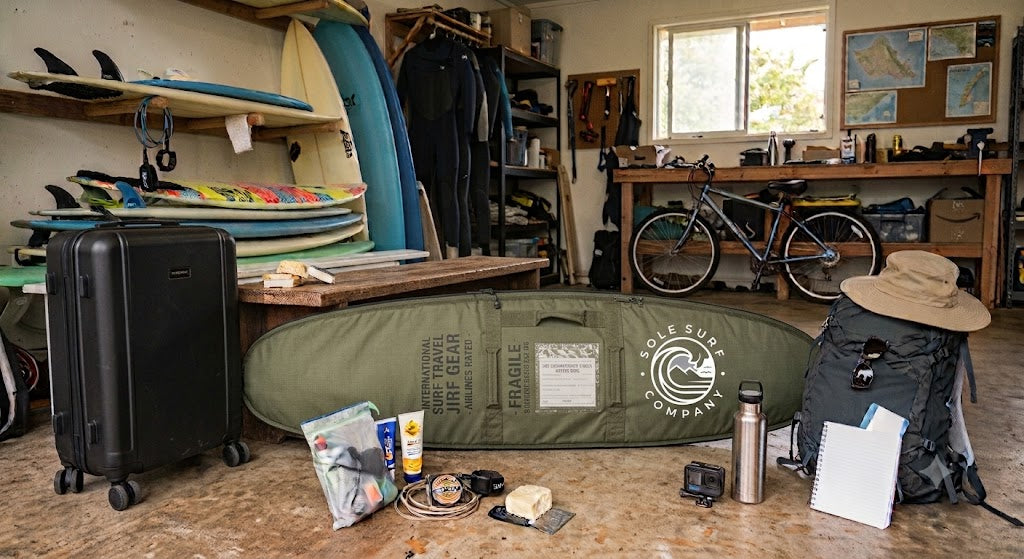
Yet as the years pass, most of us live as if we’ll be allowed to haul everything we’ve accumulated back onto the plane when we leave. We strain to hold on to our bank accounts, titles, and influence, packing our bags as tightly as possible—only to discover that none of it makes the flight.
Some people spend their lives pretending the final flight isn’t coming, avoiding the thought of death as if ignoring it might hold off their departure. Others get so lost in the bustle of the terminal that they tune it out completely. They work, accumulate, compete, and rush from one obligation to the next, never noticing the boarding calls. Then, when their name is finally called, they look up and realize they aren’t ready to leave.
But the flight was always coming. It cannot be canceled or rescheduled. We don’t know our departure time, only that it will eventually come for every one of us.
This doesn’t make our accomplishments meaningless. The good we create can continue to help others, and those we love will carry our influence forward. But we cannot hold on to any of it. The real question isn’t whether we can avoid the end—we can’t. It’s how we choose to live while we are here.
What Actually Matters?
If we leave this world with nothing, what truly carries weight?
It comes down to how we used our time: how we lived, whom we loved, and how we treated the people around us. It is found in the memories we made, the promises we kept, the help we offered, and the forgiveness we extended.
Near the end of life, few people wish they had spent more evenings clearing their inbox, protecting their image, or trying to impress strangers. Instead, they remember the people who sat beside them. They remember family dinners, quiet conversations with old friends, road trips, mornings at the beach, and the ordinary moments that felt unremarkable while they were happening.
This isn’t just sentimentality—it’s human reality. The landmark Harvard Study of Adult Development reached a remarkably simple conclusion after tracking lives for decades: strong, warm relationships are among the strongest predictors of long-term health and happiness. Wealth and fame didn’t come close.
A successful life cannot be measured solely by what we accumulate. It must also be measured by whether the people closest to us felt loved, whether we were truly present for our own lives, and whether we used our limited time for something that mattered.
Status Is a Mist
Status can feel overwhelmingly real. It surrounds us, distracts us, and convinces us that nothing matters more. We naturally compare jobs, houses, income, followers, and achievements, constantly asking ourselves if we have done enough.
But status is like mist: from a distance, it looks solid, but as soon as the sun hits it, there is almost nothing there.
Status exists largely because we collectively agree that it matters. The moment attention shifts, it evaporates. Someone newer arrives, someone else achieves more, and the crowd moves on.
Scripture describes life itself as a vapor that appears briefly and vanishes, while Ecclesiastes compares human striving to “chasing after the wind.” Both images endure because mist and wind can never be held—and neither can status.
This doesn’t mean we should lack ambition or abandon hard work. Providing for a family, building something meaningful, and sharpening our skills are deeply worthwhile pursuits. The danger arises when achievement stops serving our life and starts consuming it.
Money is a tool meant to provide shelter, security, freedom, and generosity. Research published in the Proceedings of the National Academy of Sciences found that working adults reported greater happiness after spending money on a time-saving purchase than after buying a material item.
But money makes a terrible master when we continually trade the best years of our lives for a number that will never feel big enough.
“Enough” is impossible to recognize when we refuse to slow down.
The older I get, the more clearly I see this. There will always be another responsibility, another financial goal, or another reason to wait. But my children will not always be young, my body will not always be able to surf, and the people I love will not always be here. Preparing for tomorrow matters, but not if I continually sacrifice today to do it.
Spend Time Deliberately
Treating time as a treasure doesn’t mean abandoning our responsibilities, spending recklessly, or ignoring tomorrow. It simply means remembering what work and money are supposed to support: they should help us live, not prevent us from living.
While planning for the future is wise, we cannot live entirely in preparation for it. There will always be a plausible excuse to postpone the trip, miss the swell, delay the dream, or tell someone we will spend time with them “later.”
Later is a promise life never made us.
There is wisdom in saving, but there is also wisdom in spending some of that money on experiences with the people we love. There is value in building a career, but there is just as much value in knowing when to log off and go home. Hard work is dignified, but permanent exhaustion should never become a point of pride.
If time is our greatest treasure, attention is how we spend it—and where our attention goes, our life follows.
We can sit physically at a dinner table while living mentally in a work crisis. We can stand beside the ocean while staring at a screen. We can travel the world and miss the entire experience because we are too busy documenting it for people who aren’t there.
Being alive and being present are not the same thing.
To truly value time, we must occasionally put the phone away, stop worrying about how the moment looks to others, and actually step into it.
A Wave Cannot Be Saved for Later
Surfing offers a quiet masterclass in this reality.
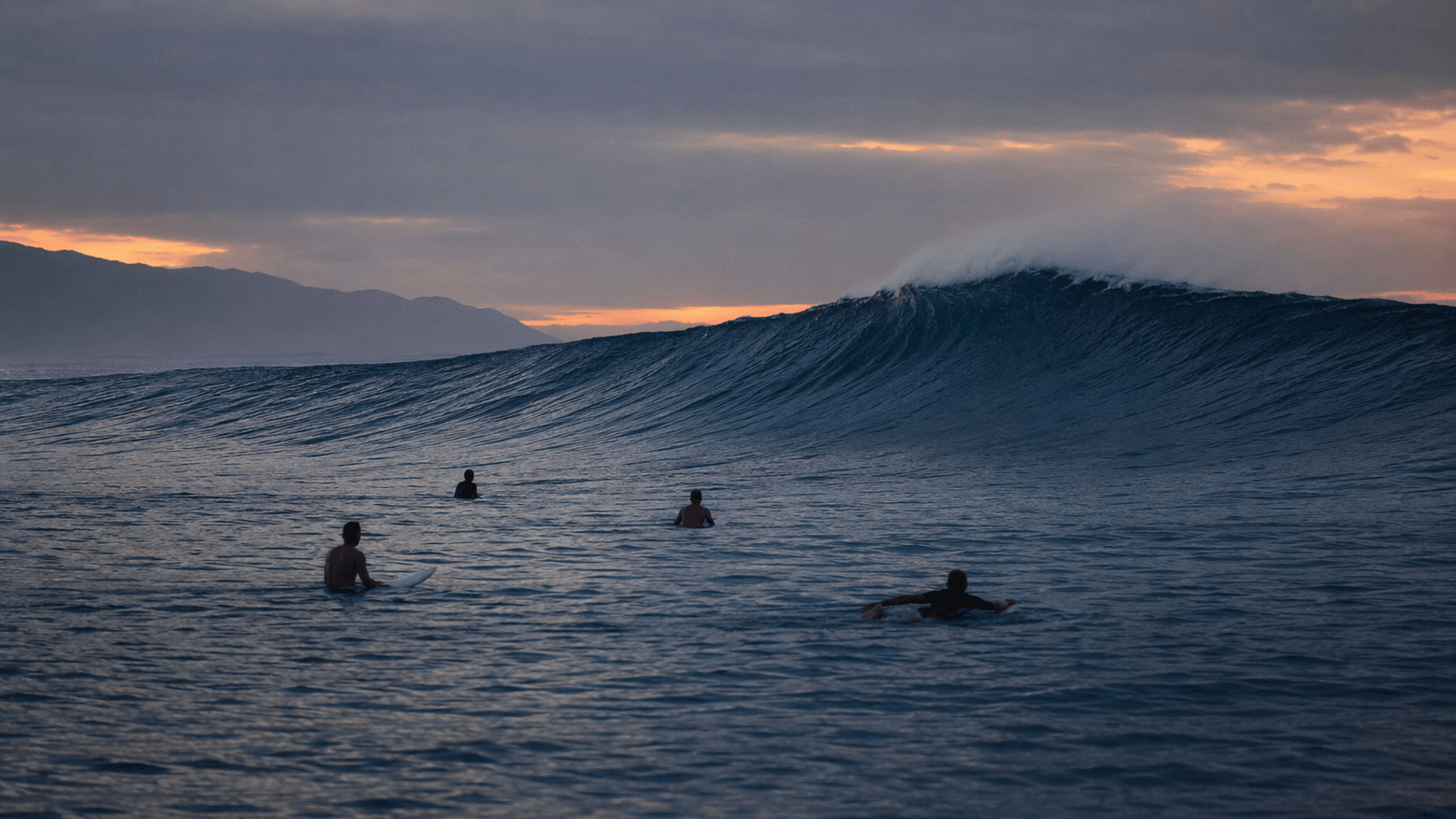
A wave arrives, stands up for a few fleeting seconds, and rolls away. You cannot pause it, store it, or ask it to come back tomorrow because you were distracted today. You either paddle into it or watch it pass.
Life unfolds much the same way.
Not every opportunity needs to be chased, and not every day needs to be an adventure. But we must learn to recognize the waves that truly matter—the family trip, the call to an old friend, the quiet morning with our children, the chance to apologize, or the clean swell arriving after weeks of flat water.
Some moments do not come around a second time.
So paddle out. Take the vacation you keep talking about. Make memories with your family, and give your undivided attention to the person sitting across from you. Be kind when cruelty would be easier, be honest when dishonesty seems convenient, and forgive before pride turns years into unbridgeable distance.
Work hard, but make room to rest. Plan carefully, but remember to live. Build for the future, but don’t ignore the life happening around you right now.
One day, every one of us will run out of time. That truth doesn’t have to inspire dread; it can bring profound clarity. Death strips away what status tries to hide, revealing that much of what we worry about is temporary and much of what we overlook is priceless.
So when the right wave comes, paddle. Watch the sunrise. Stay a little longer. Say what needs to be said, and stop postponing the very things that make being alive worthwhile.
Money can return. Recognition will fade. Possessions will eventually belong to someone else. But this day—this hour, this exact moment—will never exist again.
Treat it as the treasure it truly is.
Daniel Sole
Founder, Sole Surf Company
Image Note: The featured image was generated using AI.

Leave a comment
This site is protected by hCaptcha and the hCaptcha Privacy Policy and Terms of Service apply.