
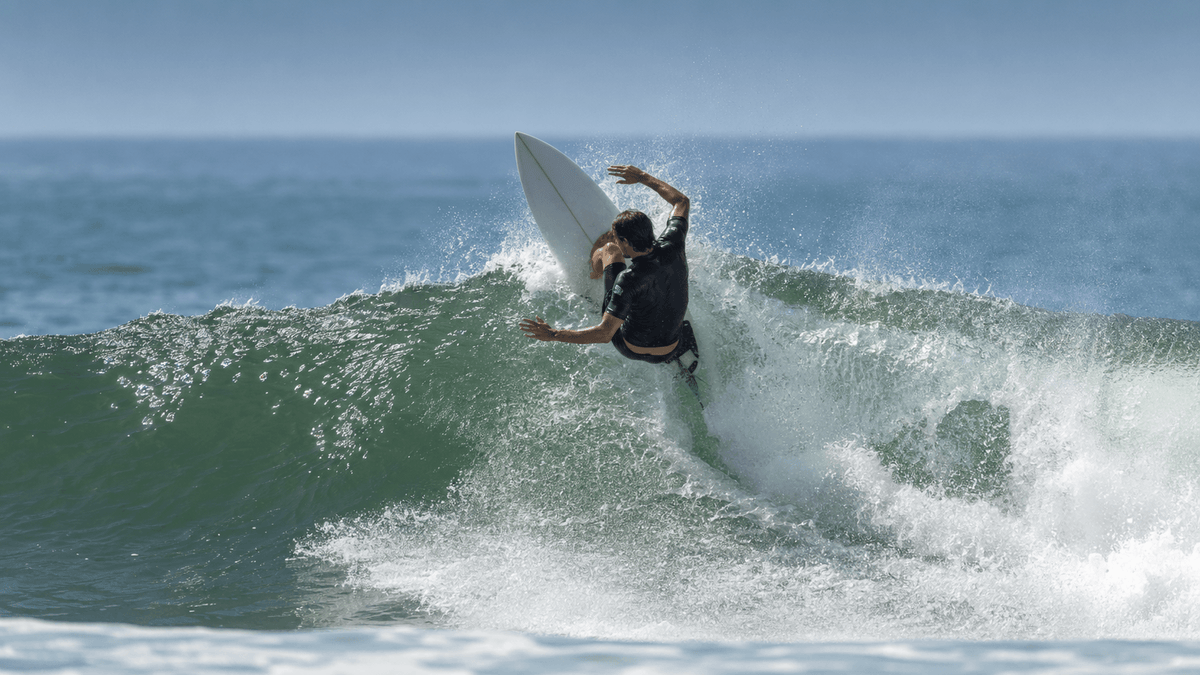
Your First Frontside Top Turn: Look, Lean, and Rotate
Once you have learned to catch unbroken waves, make your pop-up consistently and travel down the line, you naturally start wanting to do more. You do not just want to ride the wave. You want to begin using the face of it.
For many surfers, the first real maneuver is some version of a frontside top turn. You come off the bottom, climb the face and turn the board back down toward the beach.
It sounds simple, but several movements have to work together. If one piece is missing, the board may stall, the turn may happen too low, or you may fall before reconnecting with the wave.
This is not the only way to explain a frontside top turn. It is the process and the cues that make sense to me.
What Does Frontside Mean?
Frontside means your chest is facing the wave as you travel down the line.
If you are regular-footed, with your left foot forward, a right-breaking wave is normally your frontside. If you are goofy-footed, with your right foot forward, a left-breaking wave is normally your frontside.
Because you can see the face of the wave in front of you, the frontside top turn is often one of the more intuitive places to begin learning how to move from the bottom of the wave to the top and back down again.
The Turn Begins Before You Reach the Top
Every good frontside top turn starts with a good bottom turn. The speed, direction and angle created at the bottom determine what you will be able to do at the top.
A proper bottom turn deserves an article of its own, and we will tackle that separately. For now, we will cover only the bottom-turn fundamentals needed to set up the frontside top turn.
Speed Comes First
Before attempting the turn, you need speed. Speed is not an optional extra that makes the turn look better. It is what allows the turn to happen.
You cannot force a good turn out of a board that is barely moving. Without enough speed, the board may bog through the bottom turn, lose momentum while climbing the face or stall before completing the rotation.
Either the wave must provide that speed, or you must know how to generate it yourself.
Personally, I am lazy. I would rather choose a wave with enough shape and power to give me the speed.
You also need an open section of wave in front of you. Look for a part of the lip that you can realistically reach. Do not aim at a section that is already closing out, but do not race so far onto the shoulder that the wave has no energy left.
Once you have speed and have selected your target, you can begin the bottom turn.
Engage the Rail—Do Not Just Stomp on the Tail
One of the most common ideas in surfing is called back-foot surfing, which means primarily surfing by applying pressure through your back foot.
There is some truth to that idea, but it is not the entire story. If you simply lean backward and stomp on the tail through your bottom turn, you can scrub away the speed you need to climb the face.
Surfing is about moving from rail to rail while constantly changing the pressure beneath your feet. Sometimes the pressure moves toward the back foot. Sometimes it moves forward. At other times, you return to a more neutral position.
During my frontside bottom turn, I feel the pressure shift slightly toward my back foot. The important part is to tip the board onto its inside, toe-side rail and allow that rail to draw an arc through the water.
Bend your knees and lower your center of gravity. This is the compression phase of the bottom turn.
Compress through your knees and hips while keeping your upper body centered over the board. Lean with the board instead of bending only at the waist. You should feel the rail holding in the face and beginning to project the board upward.
Compression gives you a strong, balanced position over the rail and prepares your body to extend as the board begins climbing the wave. Think of it as loading the turn at the bottom before releasing that stored movement up the face.
Do not rush this part. The length and depth of the bottom turn determine where you will arrive on the wave. A shallow turn sends you down the line. A deeper turn held slightly longer sends you more vertically toward the lip.
Once you reach the bottom, wait for just a beat before allowing the board to climb the face. It may only be a fraction of a second, but that brief moment gives the rail time to finish its arc and lets the board build its projection toward the top.
This is not a long pause. You are not stopping or standing still. You are simply resisting the urge to rush out of the bottom turn before the board has completed it.
Your Eyes and Arms Establish the Line
Before your board starts climbing, look toward the part of the wave you want to reach. Your head is one of the first steering mechanisms in the turn.
If you stare down at your feet, out toward the flats or behind you, your body will have a difficult time taking the board up the face.
As I compress and lean into the rail, my leading arm stays relatively quiet and controlled. It does not need to remain frozen, but it should not point wildly, reach across my body or fight the line I am trying to establish.
My back, or trailing, arm is one of the main drivers of the turn. During the bottom turn, I hold it roughly parallel to the surface of the water as I compress and lean. I also try to keep it connected to the movement and in front of my body rather than allowing it to collapse behind my hip.
This helps me stay balanced over the board while my eyes establish the line up the face.
As the board begins to climb, the trailing arm prepares the rotation at the top. The elbow and hand rise toward the shoulder line so the arm is ready to travel across the body and back down the wave.
Climb the Face
As the rail releases from the deepest part of the bottom turn and the board starts traveling upward, gradually extend your legs.
This is not a sudden jump, and you do not want to lock your knees. Think of it as rising out of the compressed position you created at the bottom.
Your front leg may extend a little more as the board climbs. Keep your head centered over your body and continue watching the section you intend to hit.
This is where timing matters. If you begin the full rotation too early, especially around the middle of the face, the board may make a flat turn below the lip.
As the board passes the halfway point, prepare your upper body. As you approach the upper part of the wave, begin looking back down toward where you want to land. The exact point at which you rotate will depend on the shape and speed of the section.
Look, Rotate and Let the Board Follow
The turn starts with your eyes. Look away from the lip and down toward the face of the wave.
Your head turns first, followed by your shoulders, hips, legs and finally the board.
This is when I bring my trailing arm up around the shoulder line and drive it across my body toward the landing area. Keeping the arm high and connected allows my shoulders and torso to continue rotating through the turn instead of stopping halfway. That movement opens my shoulders toward the beach and helps carry rotational momentum through the rest of my body.
The leading arm stays controlled and works as a counterbalance. Depending on the type of turn, it may rise or move to create space for the rotation, but it should not flare randomly or fight against the movement.
The objective is not to throw both arms as hard as possible. The objective is to create one connected movement that travels from your head and shoulders, through your hips and down into your feet.
Your back foot helps the board pivot, but do not remain stuck over it. As the nose redirects down the face, allow your pressure to move from the back-foot pivot toward a more centered, forward-driving position.
Keep the Trailing Arm Above the Shoulder Line
The trailing arm should not become an afterthought once you reach the top. It helps create and continue the rotation that redirects the board back down the face.
As you begin the top turn, bring the trailing arm up and around the shoulder, then drive it across your body toward the area where you want to land. During this redirection, use at or above shoulder height as a practical cue.
If the trailing arm drops below the shoulder line or collapses behind your lower back, it can limit the rotation of your shoulders and torso. Your upper body may stop turning while the board is still pointed toward the lip, producing a weaker, flatter turn or leaving you unable to complete the redirection.
This does not mean holding your arm in one rigid pose. The precise arm path changes with the wave and the type of turn. A quick top turn, a wrapping turn and a more vertical hit will not look identical. The important point is that the trailing arm remains active, connected to your shoulders and moving in the direction of the turn rather than dropping low and twisting behind you.
Finish the Turn Forward
A turn is not complete when the board changes direction. It is complete when you reconnect with the face, regain your speed and are ready for what comes next.
As the board comes around, bend your knees again and allow your chest to move forward with the board. Recenter your weight and begin applying forward pressure so the board continues down the face instead of hanging at the top or falling backward.
Your eyes should already be looking down the line toward the next section.
This is where one of my favorite surfing reminders applies:
Do not watch the movie.
Do not look behind you at the spray. Do not admire the section you just hit. That moment is already gone.
Surfing is about asking, “Where am I going now?” rather than, “What did I just do?”
Common Mistakes
Staying on the Back Foot
Back-foot pressure helps turn the board, but staying there too long kills your momentum.
Use the back foot when the board needs to pivot, then move your weight forward as you descend.
Attempting the Turn Without Enough Speed
Speed gives the board stability and allows the rail to work. Without it, the board may bog during the bottom turn or stall before reaching the top.
Choose a wave with enough face and power, or develop enough speed before beginning the maneuver.
Failing to Compress
If your legs remain stiff through the bottom turn, you will struggle to lower your center of gravity and properly engage the rail.
Compress through your knees and hips at the bottom. This loads your body for the extension that carries the board up the face.
Rushing the Bottom Turn
A good bottom turn needs a moment to develop. If you immediately rush up the face, the rail may not have enough time to complete its arc and project the board toward the lip.
Hold the bottom turn for just a beat. Give the board that extra second before you begin climbing.
Turning Too Early
If you throw your shoulders around halfway up the face, the board will usually follow and turn below the lip.
Look at your target early, but delay the full rotation until you reach the upper part of the wave.
Looking at the Wrong Place
Looking down at your feet will pull your attention away from the wave. Looking behind you will interrupt the next movement.
Your eyes should move from the target at the top to the landing area below and then immediately toward the next section.
Throwing Both Arms Everywhere
Wild arms usually create a disconnected turn.
Let the trailing arm provide the main rotational movement while the leading arm remains controlled and balanced. The arms should help connect the head, shoulders and hips—not fight against them.
Dropping the Trailing Arm Too Low
If your trailing arm drops below your shoulder or twists behind your lower back during the redirection, your upper-body rotation can stall. The board may turn weakly, redirect too late or remain pointed toward the lip.
Bring the trailing elbow and hand up around the shoulder line, then drive the arm across your body toward the landing area. Think of the back arm as helping lead your shoulders through the entire turn.
Keeping Your Legs Stiff During the Finish
The basic rhythm is compression, extension and compression again.
Get low through the bottom turn, rise as you climb and absorb the descent as you finish. Stiff legs make it difficult to engage the rail, redirect the board or land with control.
Keep Your First Attempts Simple
Your first frontside top turn does not need to throw spray or hit the lip vertically.
Begin by learning the basic sequence on an open-faced wave:
-
Build speed.
-
Select a target.
-
Compress and engage the inside rail.
-
Keep the leading arm controlled and the trailing arm active and connected.
-
Hold the bottom turn for a beat.
-
Look and project up the face.
-
Extend as you climb.
-
Look down and drive the trailing arm above the shoulder line and through the turn.
-
Compress, move forward and reconnect with the wave.
At first, the movement may feel separated into individual steps. With repetition, those pieces will begin to blend together.
The bottom turn flows into the climb. The climb flows into the rotation. The rotation flows into the descent.
That is when surfing begins to feel less like standing on a board and more like moving with the wave.
One Turn Can Change the Session
A great session is not always about catching the most waves or doing the biggest turns. Sometimes it comes down to one moment when everything finally connects.
You engage the rail, reach the section, complete the turn and ride away knowing that something just clicked.
Those are the sessions that stay with you.
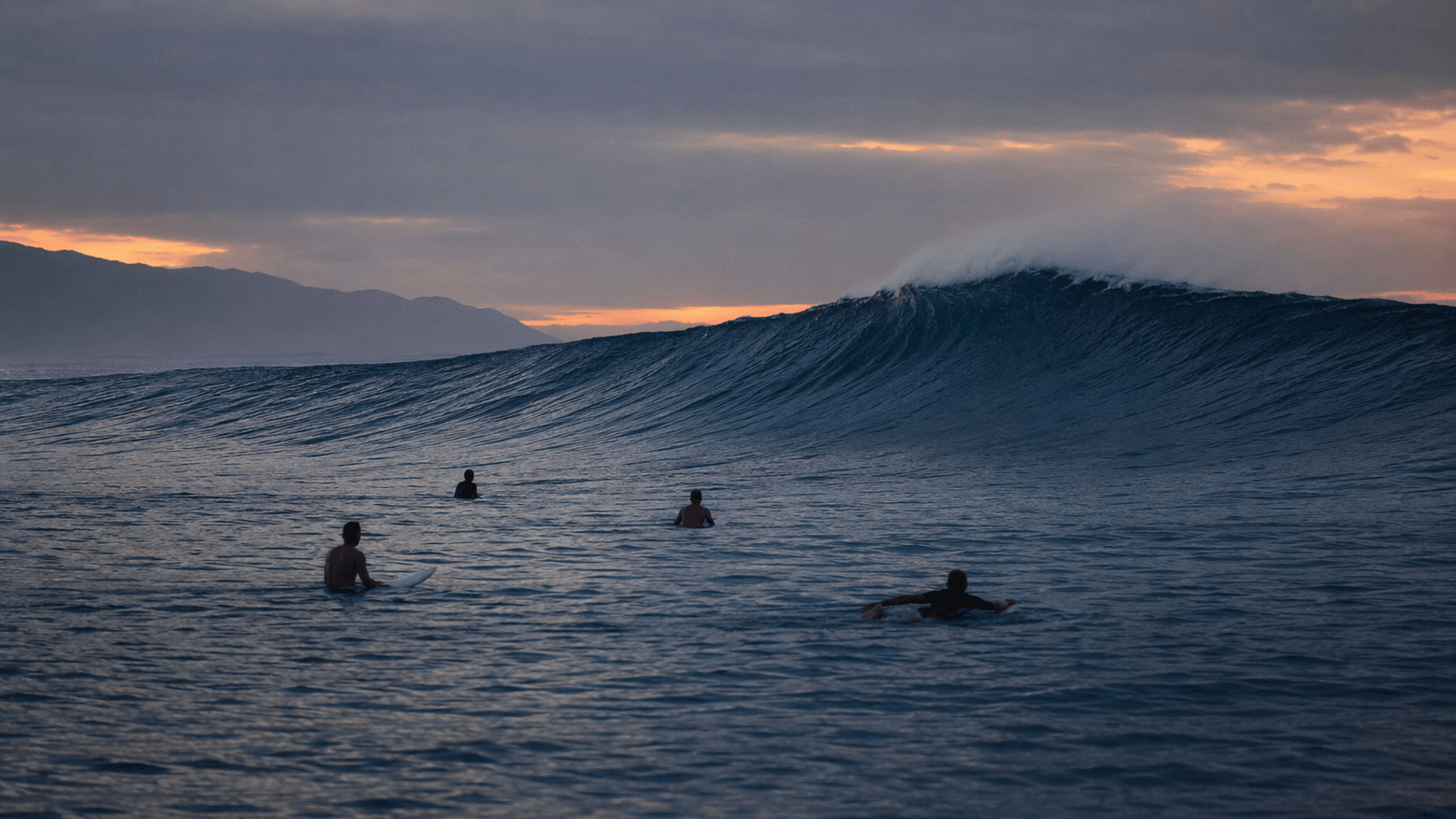
The Great Session Tee was inspired by those rare days when the swell, wind, crowd and your surfing all come together. You cannot force them, and they do not happen every day—but you never forget them when they do. Shop the Great Session Tee →
Daniel Sole
Founder, Sole Surf Company
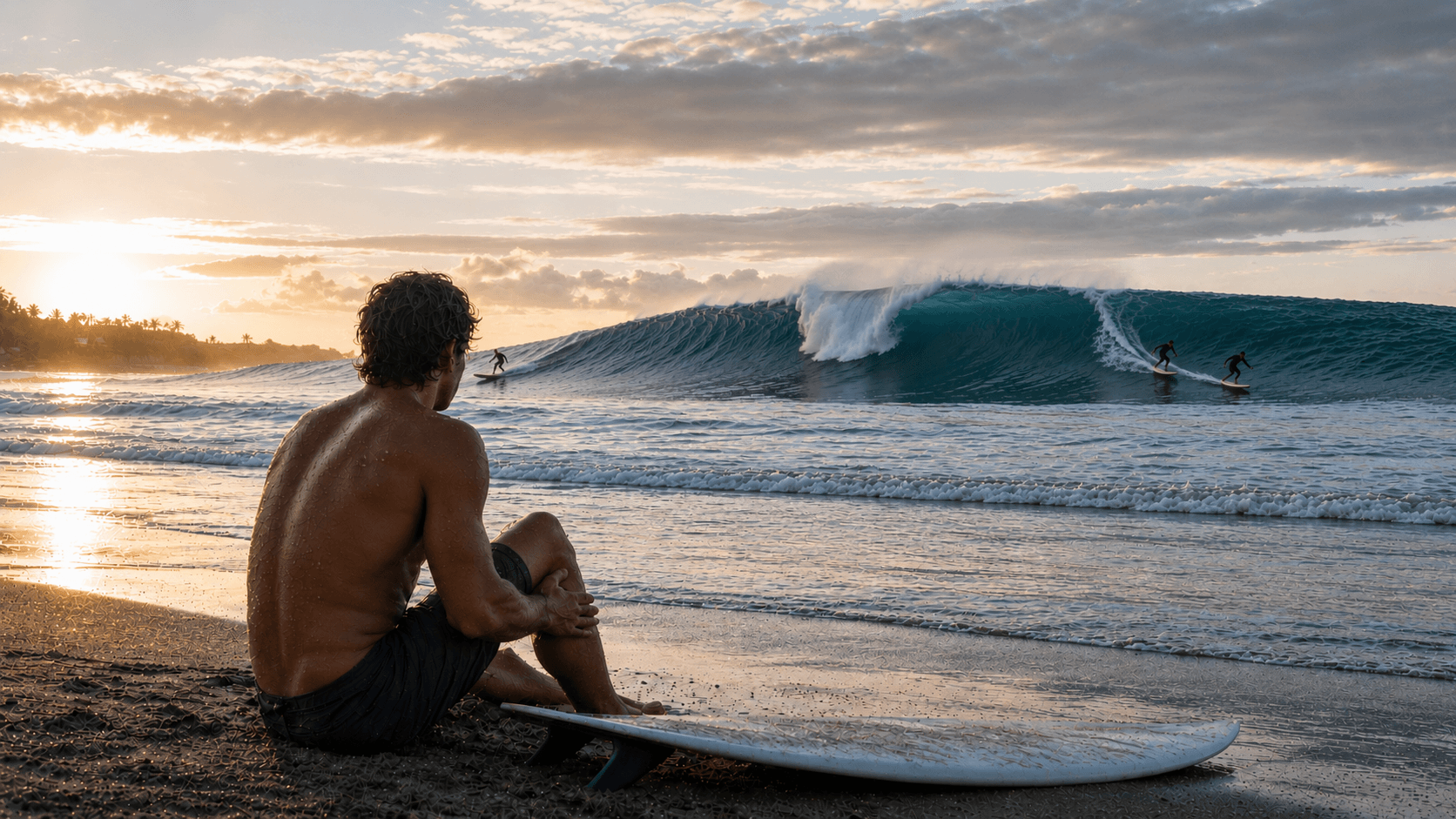
Image Note: The featured image was generated using AI.

Leave a comment
This site is protected by hCaptcha and the hCaptcha Privacy Policy and Terms of Service apply.